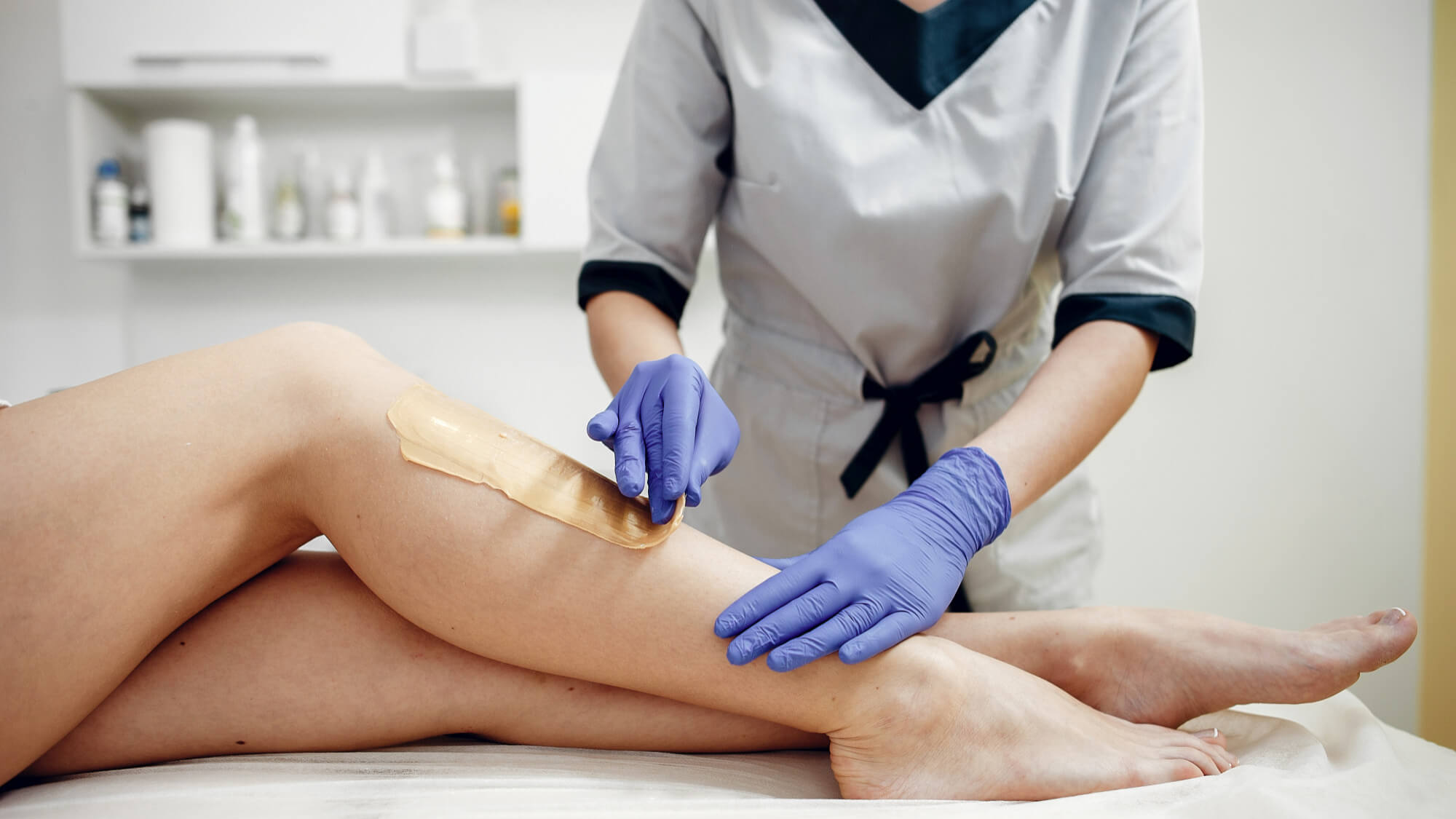
Body Hair Removal
Explore effective body hair removal methods from temporary solutions like waxing and sugaring to permanent options like laser treatment and electrolysis.
Complete Guide to Body Hair Removal Methods
Body hair removal is a personal choice that many individuals make for aesthetic, comfort, or hygiene reasons. With numerous techniques available, finding the right method for your needs can significantly impact your experience and results.
Popular Hair Removal Techniques
- Waxing: For longer-lasting results, waxing removes hair from the root, keeping skin smooth for 2-6 weeks depending on your hair growth cycle.
- Sugaring: A natural alternative to waxing that may cause less irritation, ideal for sensitive skin and delicate areas.
- Laser Hair Removal: Targets hair follicles with concentrated light, gradually reducing hair growth over multiple sessions for long-term reduction.
- Electrolysis: Provides permanent hair removal by destroying individual follicles with a precise electric current.
- Threading: Traditionally used for facial hair, this technique is highly precise and effective for small, sensitive areas.
Choosing the Right Method
When choosing your hair removal method, consider factors like your pain tolerance, budget, desired duration of results, and specific body areas. What works well for underarms might not be ideal for legs or sensitive regions. Many people ultimately combine different techniques for various body parts to achieve their desired results.
Our Professional Approach
We provide a comfortable, hygienic, and professional environment for all our hair removal services. Our highly trained estheticians assess your skin type and hair growth to recommend the most effective and gentle methods, ensuring you leave with perfectly smooth skin and minimal irritation.
Frequently Asked Questions
How long does hair need to be for waxing?
For optimal waxing results, hair should be approximately ¼ inch long (about the length of a grain of rice). This length allows the wax to properly grip the hair for effective removal. If hair is too short, the wax may not be able to grasp it properly. If you're unsure, it's generally best to wait about 2-3 weeks after shaving before scheduling your waxing appointment.
How can I minimize discomfort during waxing?
Waxing does involve some discomfort, but the sensation varies by individual and body area. To minimize discomfort: Take an over-the-counter pain reliever 30 minutes before your appointment, avoid scheduling during your menstrual cycle when sensitivity is higher, exfoliate 24-48 hours before (not immediately before), stay hydrated, and avoid caffeine and alcohol before your appointment. Regular waxing typically becomes less painful over time as hair grows back finer and the skin becomes accustomed to the process.
How long do waxing results last?
Waxing results typically last between 3-6 weeks, depending on your individual hair growth cycle, genetics, and the area treated. Facial hair may grow back faster (2-3 weeks) while body hair often takes longer (4-6 weeks). With regular waxing, you may notice that hair grows back more sparsely and finer over time as hair follicles become damaged from repeated removal. For best long-term results, maintain a consistent waxing schedule rather than alternating between waxing and shaving.
What's the difference between soft wax and hard wax?
Soft wax (strip wax) is applied thinly, covered with cloth strips, and removed quickly. It's effective for larger areas like legs and arms, adheres well to fine hairs, and is generally less expensive. Hard wax (stripless wax) is applied thicker, hardens on its own, and is removed without strips. It's ideal for sensitive areas like the face and bikini line, grips the hair rather than the skin, making it less painful for sensitive areas, and can be better for coarse hair. Professional estheticians typically choose the appropriate wax type based on the treatment area and your skin sensitivity.
How should I prepare for my hair removal appointment?
To prepare: Grow your hair to at least ¼ inch length (about 2-3 weeks after shaving); Gently exfoliate the area 1-2 days before (not the day of); Avoid intense sun exposure for 24-48 hours prior; Take a shower before your appointment; Avoid applying lotions or oils to the area on the day of treatment; Wear loose, comfortable clothing; Inform your esthetician about any medications, skin conditions, or allergies that might affect your treatment.